How to Prepare for a Flood in Pakistan: Emergency Kit and Evacuation Plan
By Ayesha Khan · Published · 4 minutes read
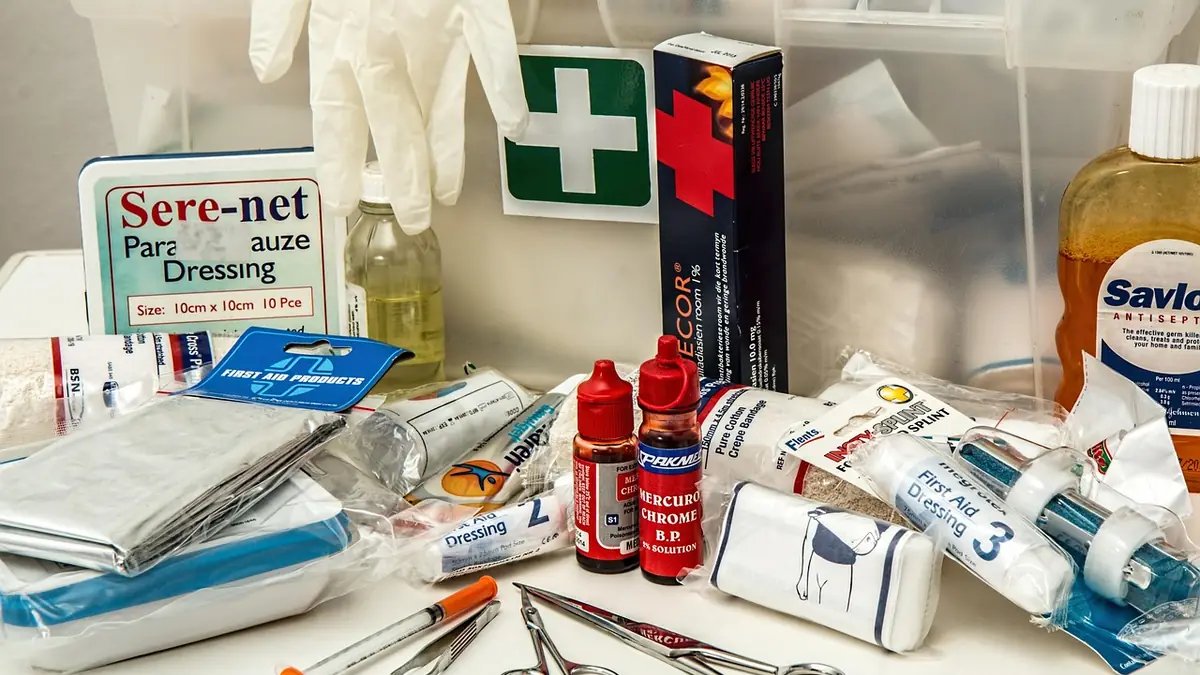
Floods are among the most common natural disasters in Pakistan, affecting millions each year. Whether you live in a flood-prone area or not, being prepared can save lives and reduce damage. This guide provides practical steps to assemble an emergency kit and create an evacuation plan tailored to Pakistani households.
Preparation starts with understanding your risk and having the right supplies and a clear plan. From monsoon floods to glacial lake outburst floods (GLOFs), the threats vary by region, but the basics of readiness remain the same. Here’s how to get started.
Assess Your Flood Risk
Knowing your flood risk is the first step. Check if your home is in a floodplain or near a river, stream, or dam. In Pakistan, areas like the Indus Basin, coastal Sindh, and parts of Punjab and Khyber Pakhtunkhwa are historically flood-prone. Consult local authorities or use online maps to see if your area has flooded before. Also consider flash floods in hilly areas and urban flooding due to poor drainage.
Your risk level determines how much preparation you need. If you live in a high-risk zone, you may need to evacuate earlier and have more supplies. Even in low-risk areas, being ready is wise because floods can occur unexpectedly. For weather updates, refer to Pakistan Weather Updates: How to Read Forecasts and Prepare for Monsoon Season.
- Check historical flood maps for your area.
- Identify nearby rivers, dams, or drainage channels.
- Know if your community has a flood warning system.
- Consider elevation and distance from water bodies.
Build a 72-Hour Emergency Kit
An emergency kit should sustain you and your family for at least 72 hours. Store it in a waterproof container that is easy to carry. Include essentials like water, food, medications, and important documents. In Pakistan, where power outages are common, include a flashlight, batteries, and a power bank. Don’t forget supplies for children, elderly, and pets.
Customize your kit to your family’s needs. For example, if you have infants, pack formula and diapers. If you have elderly members, include extra medications and mobility aids. Also, consider the climate: in hot regions, include extra water and sun protection; in cold areas, add warm clothing. Review and update your kit every six months.
- Water: 3 liters per person per day for drinking and sanitation.
- Non-perishable food: canned goods, energy bars, dry fruit.
- First aid kit and prescription medications.
- Flashlight, batteries, power bank, and charger.
- Copies of important documents in a waterproof bag.
- Cash in small denominations.
Create an Evacuation Plan
An evacuation plan should include routes, destinations, and communication methods. Identify two evacuation routes from your home: one primary and one alternate. Choose a meeting point for your family in case you get separated. Plan where you will go: a relative’s house in a safer area, a designated shelter, or a hotel. Ensure everyone knows the plan and practice it twice a year.
Communication is critical. Agree on a way to contact each other if phone networks fail. Text messages may work when calls don’t. Share your plan with neighbors and local authorities. If you have a vehicle, keep it fueled and stocked with emergency supplies. If you don’t, arrange transport in advance. For consumer complaints during emergencies, see How to File a Complaint with Pakistani Consumer Courts: A Step-by-Step Guide.
- Map out two evacuation routes from your home.
- Choose a family meeting point and a safe destination.
- Assign roles: who grabs the kit, who helps children/elderly.
- Keep important contacts written down and shared.
- Practice your plan with all household members.
| Item | Quantity | Notes |
|---|---|---|
| Water | 12 liters | For drinking and basic hygiene |
| Food | 3 days worth | Non-perishable, ready-to-eat |
| First aid kit | 1 | Include bandages, antiseptics, painkillers |
| Flashlight | 2 | Plus extra batteries |
| Power bank | 1 | Fully charged |
| Important documents | 1 set | Copies in waterproof bag |
| Cash | PKR 5,000-10,000 | Small bills |
| Medications | 7-day supply | Prescription and over-the-counter |
Stay Informed During Flood Season
During monsoon season (July to September), stay updated with weather forecasts and flood warnings. Use reliable sources like the Pakistan Meteorological Department (PMD) and local news. Avoid rumors; verify information before acting. For tips on verifying news, read How to Verify Breaking News on Social Media in Pakistan: A Step-by-Step Guide. Keep a battery-powered radio as a backup.
Sign up for alerts from local disaster management authorities (PDMA, NDMA). Follow their instructions, especially if evacuation orders are issued. Don’t ignore warnings; floods can escalate quickly. Keep your phone charged and monitor official social media accounts.
- Follow PMD and NDMA updates.
- Install weather apps for real-time alerts.
- Keep a battery-powered radio.
- Verify news before sharing.
- Know the difference between watch and warning.
What to Do When a Flood Warning Is Issued
When a warning is issued, act immediately. Move valuable items and electrical equipment to higher floors. Turn off utilities at the main switches. Fill bathtubs and containers with water in case supply is cut. If told to evacuate, do so without delay. Take your emergency kit and follow your plan. Avoid walking or driving through floodwaters—just six inches of moving water can knock you down.
If you are trapped, move to higher ground and call for help. Avoid contact with floodwater, which may be contaminated. Do not use electrical appliances if wet. Keep listening to official updates and do not return home until authorities say it’s safe.
- Evacuate immediately if instructed.
- Never drive through flooded roads.
- Move to higher ground if trapped.
- Avoid contact with floodwater.
- Turn off electricity and gas.
After a Flood: Safety and Recovery
After a flood, safety hazards remain. Avoid floodwater, which may contain sewage or chemicals. Boil water before drinking until authorities confirm it’s safe. Wear protective clothing during cleanup. Document damage with photos for insurance claims. Contact local authorities for assistance and follow their guidance.
Recovery can be stressful; take care of your mental health and check on neighbors. For financial planning during recovery, refer to Cost of Living in Pakistani Cities: A Comparison of Monthly Expenses in 2025. Also, keep an eye on public holidays that might affect services: Pakistan Public Holidays 2025: Full List and How to Plan Around Them.
- Boil water or use bottled water.
- Wear boots and gloves during cleanup.
- Take photos of damage for claims.
- Watch for structural damage.
- Seek emotional support if needed.
- Build a 72-hour emergency kit with water, food, and documents.
- Create a family evacuation plan with routes and meeting points.
- Stay informed through official sources like PMD and NDMA.
- Act quickly when warnings are issued and avoid floodwaters.
Ayesha Khan is the editor of Sahiwal Updates with over a decade of experience in Pakistani journalism. She focuses on local news and current events, ensuring accurate and timely reporting. Her work emphasizes community impact and factual storytelling.