Pakistan Weather Updates: How to Read Forecasts and Prepare for Monsoon
By Ayesha Khan · Published · 5 minutes read
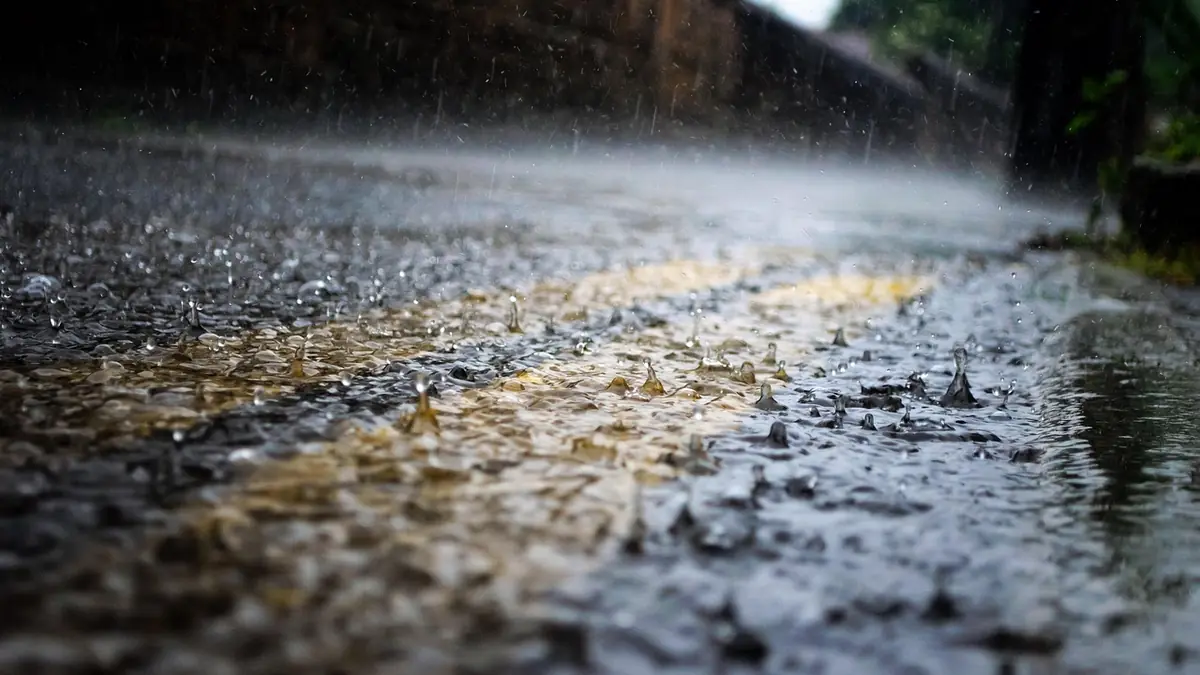
Pakistan's weather can swing from blistering heat to sudden, heavy monsoon rains. For millions, the monsoon season brings relief from the heat but also the threat of flooding, landslides, and disruption to daily life. Knowing how to read forecasts and prepare can make all the difference.
This guide explains how to make sense of weather updates, what the monsoon means for different regions, and the practical steps you can take to protect your family and property. We'll also look at how to verify weather news on social media and plan around public holidays that may coincide with the rains.
Understanding Pakistan's Monsoon Season
The monsoon season in Pakistan typically runs from July to September, with the heaviest rainfall usually in July and August. The system brings moisture from the Arabian Sea and the Bay of Bengal, affecting different parts of the country in varying degrees. Punjab and Khyber Pakhtunkhwa often see intense spells, while Sindh and Balochistan can experience delayed but destructive rains.
Monsoon rains are crucial for agriculture, accounting for a large share of annual water supply. However, they can also cause flash floods, riverine floods, and urban waterlogging. Cities like Karachi and Lahore are particularly vulnerable due to poor drainage infrastructure. Understanding the typical patterns helps you anticipate risks and plan ahead.
The Pakistan Meteorological Department (PMD) issues regular forecasts and warnings during the monsoon. These include daily weather bulletins, flood alerts, and special advisories. It's important to follow these updates from official sources rather than relying solely on social media. Knowing the terminology—such as 'heavy falls' or 'urban flooding'—can help you gauge the severity.
- Monsoon season: July to September
- Heaviest rainfall: July and August
- Most affected regions: Punjab, KP, Sindh
- Key risks: flash floods, urban waterlogging, landslides
How to Interpret Weather Forecasts
Weather forecasts often include terms like 'chance of rain,' 'heavy falls,' and 'isolated thunderstorms.' Understanding these can help you plan. For example, a 60% chance of rain means there's a 60% probability that any given point in the forecast area will receive measurable precipitation. 'Heavy falls' typically means rainfall exceeding 50 mm in 24 hours, which can quickly overwhelm drainage systems.
Forecasts also come with uncertainty. A seven-day forecast is less reliable than a two-day one. Pay attention to the confidence level and updates. The PMD's daily bulletins are usually updated in the morning and evening. During active monsoon spells, special advisories may be issued more frequently. It's wise to check multiple sources, including international models like those from the Global Forecasting System, for a second opinion.
When you see a forecast for your area, think about what it means for your routine. Will it affect your commute? Do you need to secure loose items on your roof? Are there any events planned that might be cancelled? Being proactive based on forecasts can prevent last-minute rushes. Also, keep an eye on warnings for upstream areas if you live near a river, as water released from dams or heavy rain in catchments can affect you downstream.
| Region | Peak Monsoon Months | Common Risks | Average Rainfall Range (mm) |
|---|---|---|---|
| Punjab | July-August | Riverine floods, urban flooding | 200-500 |
| Sindh | August-September | Riverine floods, urban flooding | 100-300 |
| Khyber Pakhtunkhwa | July-August | Flash floods, landslides | 150-400 |
| Balochistan | July-August | Flash floods, hill torrents | 50-200 |
| Gilgit-Baltistan | July-August | Landslides, glacial lake outburst floods | 50-150 |
| Azad Kashmir | July-August | Landslides, flash floods | 200-400 |
Preparing Your Home and Family
Before the monsoon peaks, take time to inspect your home. Clear gutters and drains to prevent water accumulation. Check the roof for leaks and repair any weak spots. If you live in a flood-prone area, consider raising electrical sockets and appliances above expected flood levels. Keep important documents in waterproof bags and have a family emergency plan that includes evacuation routes and meeting points.
Stock up on essentials: non-perishable food, drinking water, medicines, flashlights, batteries, and a first-aid kit. Charge power banks and keep some cash on hand, as ATMs may be down during power outages. If you have a vehicle, ensure it's fuelled and park it on higher ground when heavy rain is forecast. For those with livestock, identify safe shelters ahead of time.
Stay informed about weather updates and follow instructions from local authorities. During heavy rain, avoid unnecessary travel, especially through flooded roads. Just 30 cm of flowing water can sweep away a car. Keep children and pets away from drains and open manholes. If you must evacuate, do so early and follow designated routes. Remember that monsoon-related incidents often claim lives due to negligence, so caution is key.
- Clear gutters and drains
- Repair roof leaks
- Keep documents in waterproof bags
- Stock emergency supplies
- Avoid driving through flooded roads
Verifying Weather News on Social Media
During monsoon, social media is flooded with images and videos of flooding, often old or from other regions. Misinformation can cause panic or lead to complacency. Before sharing, verify the source. Look for official handles of PMD, NDMA, or local government. Check the date and location of the content. Reverse image search can help identify if a photo is recycled.
For a step-by-step guide on verifying breaking news, see our article on how to verify breaking news on social media in Pakistan. Additionally, ensure that the website you're getting news from is reliable; our guide on checking if a Pakistani news website is reliable outlines six key indicators.
Rely on official forecasts for decision-making. Social media can provide real-time updates from affected areas, but treat them as unconfirmed until verified. If you share information, clearly mark it as unverified or share official posts directly. This helps prevent the spread of false alarms and ensures that people take the right precautions.
Monsoon and Public Holidays
Monsoon rains sometimes coincide with public holidays, such as Eid or Independence Day. This can affect travel plans and emergency response. For a full list of holidays, see our article on Pakistan public holidays 2025. If a holiday falls during heavy rain, avoid unnecessary travel and stay indoors. Emergency services may be stretched, so preparedness is even more critical.
When planning holidays during monsoon, consider the weather forecast for your destination. Coastal areas may experience rough seas, while mountainous regions risk landslides. If you're traveling, keep alternative routes in mind and monitor updates. Also, be aware that heavy rain can cause flight delays and road closures, so build flexibility into your plans.
Regional Flood Risks and Preparedness
Flood risk varies across Pakistan. The Indus River and its tributaries are prone to riverine floods, especially in Punjab and Sindh. Hill torrents in Balochistan and KP can cause flash floods with little warning. Urban flooding is a major issue in Karachi, Lahore, and other cities due to encroachments and inadequate drainage. Knowing your region's risk helps you prepare appropriately.
The table below summarizes typical monsoon impacts by region. Use it to assess your area's vulnerability and take specific measures. For example, if you live in a hill torrent area, identify high ground and evacuation routes. In urban centers, keep emergency numbers for rescue services handy and avoid basements during heavy rain.
Emergency Contacts and Resources
Save emergency numbers: Rescue 1122, Police 15, and NDMA's helpline. Local district authorities often set up control rooms during monsoon; find their numbers. Keep a battery-powered radio for updates if power and internet fail. PMD's website and social media pages provide regular updates.
Community preparedness is also vital. Know your neighbors, especially the elderly and disabled, and check on them during emergencies. Participate in local awareness sessions if available. By staying informed and prepared, you can reduce the risks associated with monsoon rains and protect your loved ones.
- Monsoon season in Pakistan runs from July to September, with July and August being the wettest.
- Understand forecast terms like 'chance of rain' and 'heavy falls' to plan your activities.
- Prepare your home by clearing drains, repairing leaks, and stocking emergency supplies.
- Verify weather news on social media to avoid misinformation and follow official sources.
Ayesha Khan is the editor of Sahiwal Updates with over a decade of experience in Pakistani journalism. She focuses on local news and current events, ensuring accurate and timely reporting. Her work emphasizes community impact and factual storytelling.