Understanding Pakistani Currency Exchange Rates: How to Get the Best Deal
By Ayesha Khan · Published · Updated · 4 minutes read
Whether you are sending money to family abroad, planning a trip, or dealing with foreign clients, exchange rates affect your wallet. In Pakistan, the rupee's value fluctuates daily, and the difference between a good and a bad exchange deal can be thousands of rupees.
This guide explains how exchange rates are set, where to exchange currency in Pakistan, and how to spot a fair rate. We also share practical tips to help you get the most for your money, whether you are buying dollars, selling euros, or receiving remittances.
How Exchange Rates Are Determined in Pakistan
Pakistan has a managed floating exchange rate system. The State Bank of Pakistan (SBP) sets the official rate based on market demand and supply, but banks and exchange companies add their own margins. The interbank rate is what banks use among themselves; the open market rate is what you get at currency exchange counters. These two rates can differ, especially during times of economic uncertainty.
The rupee's value is influenced by factors like foreign reserves, remittances, imports, and political stability. When demand for dollars rises (for imports or travel), the rupee weakens. The SBP occasionally intervenes to stabilize the market. For everyday Pakistanis, the key takeaway is that rates change frequently—sometimes multiple times a day—so timing your exchange can matter.
- Interbank rate: used for large transactions between banks; not available to individuals.
- Open market rate: what you get at exchange companies and banks; includes a spread.
- Spread: the difference between buying and selling rates; typically 1-3%.
- Remittance rate: often better than open market for overseas Pakistanis sending money home.
Where to Exchange Currency in Pakistan
You have several options: banks, exchange companies, and informal markets. Banks are safe but often offer less favorable rates and charge commissions. Exchange companies (like those in major cities) usually offer better rates and lower fees, but you need to verify their license with the SBP. Informal markets (the 'grey market') may offer even better rates but come with legal and security risks.
For remittances, using licensed channels like banks or authorized exchange companies ensures you get the official rate and avoid legal issues. Many banks now offer online remittance services with competitive rates. When exchanging cash, compare rates at a few counters—rates can vary significantly even within the same area.
- Banks: safe but lower rates and service charges.
- Licensed exchange companies: better rates; check SBP license.
- Informal market: risky and illegal; avoid.
- Online remittance: convenient; compare fees and rates.
Typical Exchange Rate Spreads and Fees
The spread is the hidden cost of exchanging money. For example, if the interbank rate for USD/PKR is 280, an exchange company might buy dollars at 278 and sell at 282, earning 4 rupees per dollar. That's a spread of about 1.4%. For euros or pounds, spreads can be wider. Banks often charge an additional service fee of 1-2%.
Fees can eat into your money, especially for small amounts. Always ask for the total cost, including fees, and compare the final amount you'll receive. For large exchanges, negotiate the rate—exchange companies may offer better rates for transactions above $1,000 or equivalent.
- Spread for USD: typically 1-2%.
- Spread for EUR/GBP: 2-3%.
- Bank service fees: 1-2% of transaction.
- Negotiate for amounts above $1,000.
How to Get the Best Exchange Rate
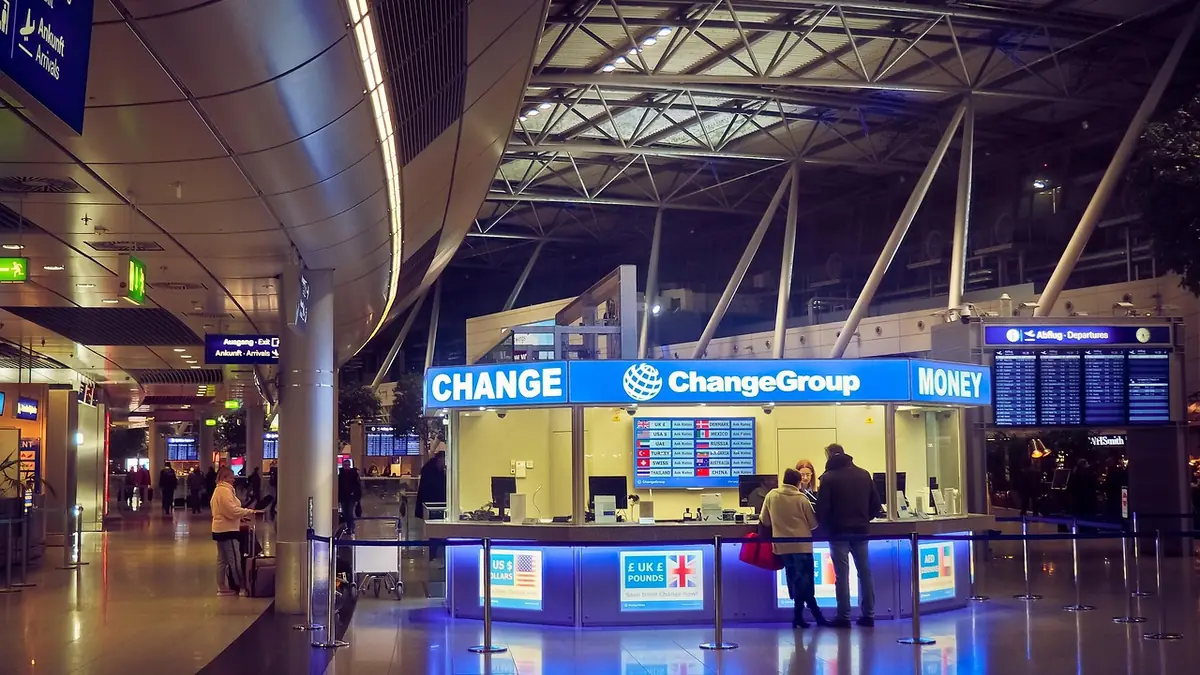
Timing and comparison are your best tools. Rates fluctuate throughout the day, so check a few sources before exchanging. Many exchange companies display rates online or on apps. Avoid exchanging at airports or hotels, where rates are notoriously poor. If you're exchanging a large amount, do it in installments to average out the rate.
For remittances, compare the exchange rate and fees offered by different banks and money transfer operators. Sometimes a slightly lower rate with zero fees beats a higher rate with high fees. Also, consider using services that lock in the rate for a period, protecting you from sudden drops.
- Check rates online or via apps before exchanging.
- Avoid airport and hotel exchange counters.
- Exchange in installments for large amounts.
- Compare total cost (rate + fees) for remittances.
| Option | Typical Spread (USD) | Fees | Safety | Best For |
|---|---|---|---|---|
| Banks | 1.5-2.5% | 1-2% service fee | High | Large transfers, safety |
| Licensed Exchange Companies | 1-2% | 0-1% commission | High | Cash exchange, better rates |
| Airport Counters | 3-5% | High commissions | High | Emergencies only |
| Informal Market | 0.5-1% | None, but risk | Low | Not recommended |
| Online Remittance | 1-2% | 0-2% | High | Convenience, remittances |
Avoiding Common Mistakes
One common mistake is exchanging at the first counter you see. Rates can vary by 1-2 rupees per dollar between nearby shops, so a quick walk can save you money. Another mistake is ignoring fees—some exchange companies advertise attractive rates but charge commissions that erase the benefit. Always ask for the final amount in rupees.
Also, be wary of unofficial dealers offering rates that seem too good to be true. They may be involved in money laundering or counterfeit currency. Stick to licensed exchange companies and banks. Keep your receipts for large transactions, as you may need them for tax or legal purposes.
- Don't accept the first rate; compare at least three counters.
- Ask for the total cost including all fees.
- Avoid deals that seem too good to be true.
- Keep receipts for transactions above $500.
Exchange Rates and Remittances
Remittances are a lifeline for many Pakistani families. The rate you get on remittances is often better than the open market because banks and exchange companies compete for this business. However, fees can vary widely. Some banks offer zero-fee transfers but lower rates; others charge fees but give a better rate. Use online comparison tools to find the best deal.
For frequent remittances, consider opening an account with a bank that offers preferential rates for regular senders. Also, be aware of the 'home remittance' rate, which is sometimes higher than the open market rate to encourage formal channels. Always use licensed channels to ensure your money is safe and legal.
- Compare remittance rates and fees across banks.
- Look for 'home remittance' special rates.
- Use licensed channels for safety and legality.
- Consider regular transfer services for better rates.
- Compare rates at multiple counters and check for fees before exchanging.
- Licensed exchange companies typically offer better rates than banks for cash.
- For remittances, compare total cost (rate + fees) and use licensed channels.
- Avoid airport and hotel counters; plan ahead for better rates.
Ayesha Khan is the editor of Sahiwal Updates with over a decade of experience in Pakistani journalism. She focuses on local news and current events, ensuring accurate and timely reporting. Her work emphasizes community impact and factual storytelling.