24 November Final Call: Background and Context
By Ayesha Khan · Published · 3 minutes read
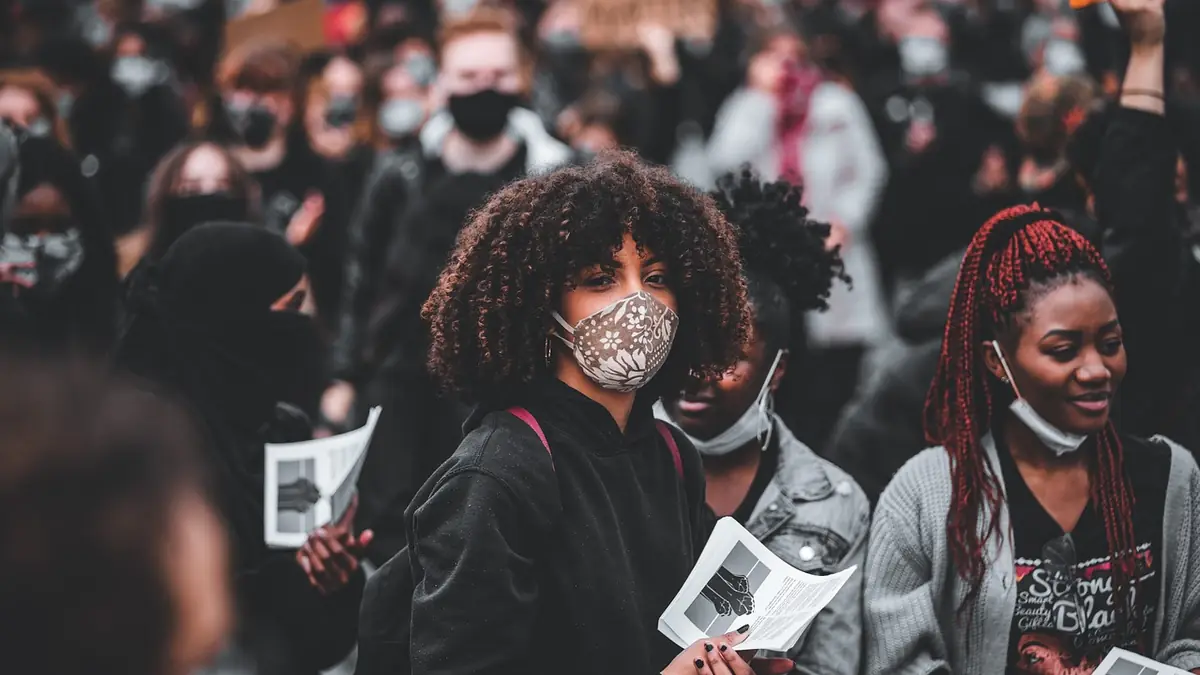
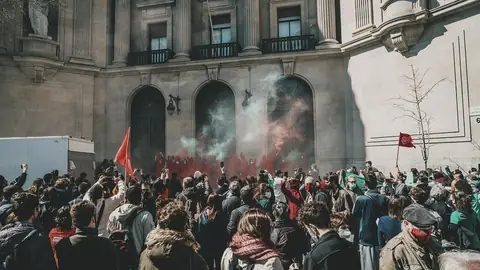
The '24 November Final Call' refers to a planned political protest in Pakistan associated with the Pakistan Tehreek-e-Insaf (PTI), calling for the release of the party's founder and other detained leaders. The date has been used to mobilise supporters, and similar calls have led to road closures, security deployments, and disruptions in major cities, particularly Islamabad and Rawalpindi.
This article outlines the background, the stated demands, the typical security response, and the practical effects such protests have on transport, business, and public life. It does not endorse any political position and is intended as a contextual guide for readers trying to make sense of the news.
What the 'Final Call' Means
The phrase 'final call' is a political slogan rather than an official event name. In PTI's usage, it signals a last major push before or after negotiations, and it is often repeated across social media and party statements. The 24 November date has been used to demand the release of imprisoned leaders and to challenge what the party describes as unfair restrictions.
Such calls are not new. Over the past two years, PTI has announced several marches and protests, with varying turnout and outcomes. The 'final call' framing is designed to create urgency and to pressure the government, but it does not necessarily mean a permanent end to protests or negotiations.
- Stated demands: release of detained leaders, judicial accountability, and free and fair elections.
- Organisers: PTI and allied supporters, with calls circulated online and in party rallies.
- Typical locations: Islamabad, Rawalpindi, Lahore, and other major cities.
Background: How We Got Here
Tensions between PTI and the current government have been high since the 2022 vote of no confidence and the subsequent legal cases against the party's founder. The May 9, 2023 riots, following the founder's arrest, led to widespread arrests and a crackdown on the party. Since then, PTI has faced restrictions on rallies and media coverage.
The 2024 general elections saw PTI-backed candidates run as independents, and disputes over results further polarised the political environment. The party has since been demanding relief for its leaders and a review of what it calls a rigged process. The 24 November call fits into this longer cycle of protest and negotiation.
The Security Response and Restrictions
In response to previous protest calls, authorities have deployed thousands of police and paramilitary personnel, sealed roads with containers, and suspended mobile internet in parts of cities. Islamabad's Red Zone, which houses the parliament and diplomatic enclave, is often locked down. Courts have sometimes barred gatherings in specific areas.
These measures are justified by officials as necessary to protect public order and property, especially after violent incidents. Critics argue that blanket restrictions on movement and communication affect ordinary citizens and businesses. The exact response varies with the size and location of the protest. For more on how to follow such developments safely, see our guide to verifying breaking news.
- Expect road closures around Islamabad's Red Zone and on key arteries like Srinagar Highway.
- Mobile internet and social media slowdowns are common during major protests.
- Section 144 orders may restrict gatherings in certain districts.
| Aspect | What to Expect | Practical Advice |
|---|---|---|
| Roads | Closures around Red Zone and key highways | Use alternative routes; check traffic apps |
| Mobile internet | Slowdowns or suspensions in protest areas | Download offline maps; inform family |
| Schools/offices | Possible closures at short notice | Check official announcements |
| Business | Reduced footfall; delivery delays | Plan inventory and staffing accordingly |
| Transport | Ride-hailing surge; public transport disruptions | Pre-book or travel early |
Impact on Daily Life and Business
Protests can disrupt transport, schools, and businesses, especially in the twin cities. Traders often report losses when roads are blocked, and commuters face hours of delays. Ride-hailing services may surge or become unavailable. Public transport between Rawalpindi and Islamabad is frequently affected.
For residents, the practical advice is to check local news and traffic updates before travelling, avoid protest areas, and keep essential supplies at home. Schools and offices may announce closures at short notice. If you run a business, plan for reduced footfall and possible delivery delays.
Political Context and Negotiations
The 'final call' is also a bargaining chip. PTI has used protest threats to push for negotiations with the government, while the government has linked any talks to the party's conduct and legal cases. Behind the scenes, intermediaries have attempted to broker confidence-building measures, but no lasting deal has emerged.
Understanding the party landscape helps make sense of these moves. For a primer on ideologies and manifestos, see our beginner's guide to Pakistani political parties. The outcome of such calls often depends on back-channel talks as much as on street power.
How to Follow the News Responsibly
During political events, misinformation spreads quickly. Rely on established news outlets and cross-check claims with official statements. Our guide on how to check if a Pakistani news website is reliable offers practical indicators. For tracking updates on your phone, see top free apps for Pakistani news.
Keep an eye on weather and holiday calendars too, as they affect travel and gatherings. The monsoon forecast guide and the 2025 public holidays list can help you plan around disruptions.
- The '24 November Final Call' is a PTI protest call demanding release of leaders and political reforms.
- Expect road closures, mobile internet slowdowns, and security deployments, especially in Islamabad.
- Plan travel and business around potential disruptions; verify news from reliable sources.
- The call is part of a longer cycle of protest and negotiation, not an isolated event.
Ayesha Khan is the editor of Sahiwal Updates with over a decade of experience in Pakistani journalism. She focuses on local news and current events, ensuring accurate and timely reporting. Her work emphasizes community impact and factual storytelling.