How to Report a Power Outage in Pakistan: Numbers and Tools
By Ayesha Khan · Published · 5 minutes read
A power cut is routine in much of Pakistan, but a fault that drags on for hours or repeats every evening usually means nobody has logged it properly. Reporting the outage yourself, through the right channel, is often what moves a complaint from a written register to an actual line crew.
This guide covers the helpline numbers and online complaint tools of the main distribution companies (DISCOs), the details you should have ready before you call, and how to follow up when a complaint goes nowhere. The exact numbers and app names vary by company, so always confirm the current contact on your own electricity bill or the company's official page.
Know Which Company Supplies You
Before you can report anything, you need the name of your distribution company. Pakistan's power sector is split among regional DISCOs, and each one runs its own complaint system. A household in Lahore falls under LESCO, Karachi under K-Electric, Peshawar under PESCO, Islamabad under IESCO, Multan under MEPCO and so on.
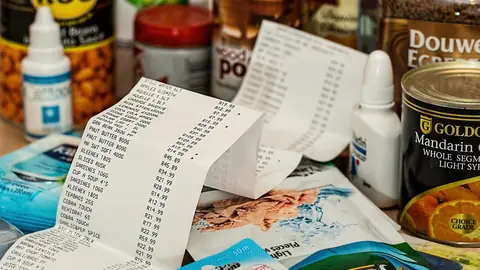
Your electricity bill is the fastest way to confirm. The company name and logo appear at the top, alongside your consumer number — a long numeric identifier that every complaint and helpline will ask for. Take a photo of the bill and keep it on your phone; it saves time when a fault happens at night and you cannot find the paper copy.
If you rent, ask the landlord or the previous tenant which company bills the meter. Mismatched records are a common reason complaints stall.
- Check the DISCO name printed on your monthly bill
- Note your consumer number, meter number and feeder name
- Keep a photo of the bill for quick reference
Helpline Numbers for Major Utilities
Each DISCO operates a central complaint number, usually a short four- or five-digit code, plus a landline. K-Electric, which serves Karachi and parts of Balochistan, runs its own call centre and a widely used 118 number. LESCO, IESCO, GEPCO, FESCO, PESCO, HESCO, SEPCO, MEPCO, QESCO and TESCO all maintain helplines that route complaints to the relevant subdivision.
Numbers change more often than people expect, and old lists circulate on social media. Treat any number you find online as provisional until you have checked it against your bill, the company's official contact page, or a notice at your local sub-division office. When you call, state the consumer number first, then the nature of the fault.
Outside office hours, the call centre should still log your complaint and give you a ticket or complaint number. Write it down — it is your proof that the fault was reported.
- 118 for K-Electric consumers in Karachi
- Company-specific short codes for LESCO, IESCO, PESCO and others
- Local sub-division office landline as a backup
- Always note the complaint or ticket number you are given
Online Complaint Portals and Apps
Most DISCOs now accept complaints through a web portal or a mobile app, and several are connected to a national complaint management system run by the power ministry. These systems record the time of complaint, the feeder affected and the time of restoration, which makes them harder to ignore than a phone call to a busy office.
To use a portal you typically need your consumer number and a mobile number registered against the connection. If your mobile number is not updated in the company's records, register it first at the sub-division office, otherwise you will not receive status updates by SMS.
Apps and portal addresses differ by company and are updated periodically, so search for your DISCO's official complaint page rather than relying on an old saved link. Screenshot the confirmation page after submitting.
- National complaint system linked to most DISCOs
- Consumer number and registered mobile required
- Screenshot the complaint confirmation
- Update your mobile number in company records first
What to Say When You Report
A vague complaint — "light is gone" — gets a vague response. Give the operator the consumer number, the complete address including street and sector, the name of the feeder if it appears on your bill, and the time the outage began. Mention whether neighbours on the same feeder are also affected, since that tells the company whether the fault is local or at the transformer.
Describe what you can see or hear: a blown fuse, a sparking wire, a fallen pole, a humming transformer, or simply silence. If there is any risk to life — a live wire on the ground, smoke from a meter — say so immediately and ask for the emergency line rather than the general complaint desk.
Keep the call short and factual. Operators handle hundreds of calls during peak summer outages, and a clear, specific report is processed faster.
- Consumer number and full address
- Feeder name and time the outage started
- Whether the whole street or only your house is affected
- Any visible damage or safety hazard
| Channel | Best for | Typical response | What to have ready |
|---|---|---|---|
| Utility helpline (short code) | Immediate reporting, night faults | Complaint logged same call | Consumer number, address |
| Mobile app or web portal | Trackable complaints, status updates | SMS updates, 2-24 hours | Consumer number, registered mobile |
| Sub-division (SDO) office | Repeat faults, escalation | Same day to a few days | Complaint number, outage log |
| Emergency line | Fallen wires, sparks, fire risk | Immediate dispatch | Exact location and hazard |
| Feeder schedule notice | Checking planned load management | Not applicable | Feeder name from bill |
Follow-Up and Escalation
If the outage continues beyond the normal restoration window — typically two to four hours for a local fault, longer after a storm — call again with your original complaint number. Repeated, logged complaints on the same feeder create a record that supervisors can see, and that record matters when the matter is escalated.
The next step is the sub-division office (SDO) responsible for your area, which handles line staff directly. A visit or a call during working hours usually produces a clearer answer than the call centre. For billing-related disputes, separate offices handle the complaint, so keep the two issues apart.
In Karachi, K-Electric's complaint system and its local offices serve the same purpose. If a complaint is repeatedly closed without restoration, ask for the complaint to be reopened and note the name of the person you speak to.
- Quote the original complaint number on every follow-up
- Escalate to the SDO office if restoration fails
- Ask for written or SMS confirmation of closure
- Keep a simple log of dates, times and names
Planned Load Management vs Faults
Not every outage is a fault. Many areas face scheduled load management, especially in summer, and feeders with high losses are placed on longer shutdown schedules. Reporting a planned outage as a fault wastes your time and the company's.
Check your local feeder schedule, usually published by the DISCO or shared by the sub-division, and compare it with the timing of the cut. Unannounced cuts that match the schedule are load management; cuts outside it, or repeated tripping, point to a genuine technical problem worth reporting.
If you are tracking household costs during long outages — generator fuel, UPS batteries, ice — it helps to know what a normal month looks like. Our comparison of monthly expenses in Pakistani cities puts those backup-power costs in context.
- Check the feeder schedule before complaining
- Unannounced cuts outside the schedule are worth reporting
- Repeated tripping suggests a technical fault
Safety and Record-Keeping
Never touch a fallen wire or attempt repairs yourself. Keep children and animals away and call the emergency number. If a transformer or pole is sparking, report it as an emergency even if your own supply is still on.
Keep a small log of outages: date, start time, end time and complaint number. Over a month, this record shows patterns — a feeder that fails every evening, a meter that trips after rain — and gives you something concrete to present at the SDO office.
For broader context on how public services and official information are communicated in Pakistan, see our guide on checking whether a news website is reliable before acting on outage claims circulating on social media.
- Stay clear of fallen or sparking wires
- Report hazards as emergencies, not routine complaints
- Maintain a written outage log
- Verify social media claims against official sources
- Confirm your DISCO and consumer number from the bill before any complaint
- Log every outage with a complaint number and time
- Use the SDO office when the call centre fails to restore supply
- Never touch damaged wires — use the emergency line
Ayesha Khan is the editor of Sahiwal Updates with over a decade of experience in Pakistani journalism. She focuses on local news and current events, ensuring accurate and timely reporting. Her work emphasizes community impact and factual storytelling.